Smith & Nephew | DYONICS GLIDER Articular Cartilage Probe | Which Medical Device

Categorised under:
Orthopaedics
>
Arthroscopy
>
Electrosurgical probes
Orthopaedics
>
Electrosurgical equipment
>
Electrosurgical probes
From Which Medical Device
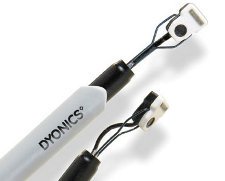
The DYONICS GLIDER Articular Cartilage Probe is a monopolar radiofrequency probe designed for the treatment of Grade II and III chondromalacia. It is part of the Smith and Nephew ELECTROTHERMAL ARTHROSCOPY SYSTEM and is compatible with the VULCAN generator. The effect of this device on articular cartilage is different from other systems. For a comparison, see the article by Ganguly et al, although this study was industry funded.
The manufacturer's instructional technique guide can be found here.
Your opinion matters to others - rate this device or add a comment

Did you know you can Register for FREE with this website?
Registration gives you full access to all of the features of WhichMedicalDevice. Find out more ...


WhichMedicalDevice is a FREE resource created by clinicians for clinicians.
Registration is free and gives you unlimited access to all of the content and features of this website.
Find out more...Registration is free and gives you unlimited access to all of the content and features of Which Medical Device. Find out more...
Which Medical Device is a community of clinicians sharing knowledge and experience of the devices and procedures we use on a daily basis. We ask that our members register with us so that we can maintain the unbiased and independent nature of our content. Registration is quick and free.
We do not make your details available to any third parties nor do we send unsolicited emails to our members. You can read our Privacy Policy here.