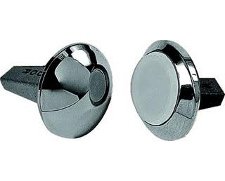
Osteomed | Bio-Action Great Toe Implant | Which Medical Device

From Which Medical Device
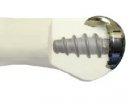
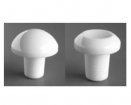
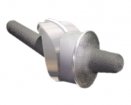
The OsteoMed Bio-Action Great Toe System is designed for arthritis of the first metatarsophalangeal joint. It consists of two cemented components which are offered in two sizes and in neutral, right and left configurations. The instruments include broaches, impactors, awl, drill guides and preparation instruments.
In a series of 48 patients, the functional results at five years were satisfactory.1 Another smaller series of 15 patients demonstrated high rates of loosening at five years however.2
References
1. Pulavarti RS, McVie JL, Tulloch CJ. First metatarsophalangeal joint replacement using the bio-action great toe implant: intermediate results. Foot Ankle Int. 2005 Dec;26(12):1033-7.
2. Sinha S, McNamara P, Bhatia M, Louette L, Stephens I. Survivorship of the bio-action metatarsophalangeal joint arthroplasty for hallux rigidus: 5-year follow-up. Foot Ankle Surg. 2010 Mar;16(1):25-7. Epub 2009 May 13.
Your opinion matters to others - rate this device or add a comment

Did you know you can Register for FREE with this website?
Registration gives you full access to all of the features of WhichMedicalDevice. Find out more ...


WhichMedicalDevice is a FREE resource created by clinicians for clinicians.
Registration is free and gives you unlimited access to all of the content and features of this website.
Find out more...Registration is free and gives you unlimited access to all of the content and features of Which Medical Device. Find out more...
Which Medical Device is a community of clinicians sharing knowledge and experience of the devices and procedures we use on a daily basis. We ask that our members register with us so that we can maintain the unbiased and independent nature of our content. Registration is quick and free.
We do not make your details available to any third parties nor do we send unsolicited emails to our members. You can read our Privacy Policy here.